FIRE Number
$1,176,471 dollars
FIRE Age
54.1
Years to FIRE
24.1 yrs
Ready to invest? Compare top brokerages
Affiliate links — we may earn a commission at no extra cost to you. Links will activate once partner programs are approved.
How to Use FIRE Calculator
- Free
- No sign-up
- Nothing stored on a server
- Available in 4 languages
- 1
Use the sliders on the left to set your current age (18-80) and target retirement age, your current investment portfolio, how much you save and invest each month, and your expected annual expenses in retirement. You can also fine-tune your expected real annual return (0-15%), safe withdrawal rate (2-6%), and effective tax rate in retirement (0-40%) to match your own investing style and tax situation. Choose from 5 currencies ($, €, £, ₩, ¥) to run the numbers in whichever unit makes sense for you.
- 2
As soon as you change an input, the result cards on the right instantly recalculate your FIRE number, the age you'll reach it, and the years remaining. The chart below separates the accumulation phase, while you're still saving, from the withdrawal phase, after you retire, using different colors, so you can see at a glance how your portfolio grows and then gets drawn down.
- 3
Turn on "Scenario A/B comparison" to enter two different saving strategies at once, for example a higher monthly contribution or a different target age, and see both paths plotted side by side on the chart and result cards. This makes it easy to see exactly how much sooner a small increase in savings could get you to FIRE, or how much a later target age would ease your monthly savings burden.
- 4
All calculations run instantly in your own browser, and nothing you enter, your age, assets, or income, is ever stored or sent to a server. Your FIRE number also isn't just annual expenses divided by the withdrawal rate: it's grossed up for the effective tax rate you set, so with the tax rate at 0% you'll see the classic "25x rule," and with a higher rate you'll see the larger target you'd actually need.
Explore the Guides
Practical guides on FIRE savings, withdrawal strategy, and country-specific retirement accounts.

Korea's IRP and Pension Savings Accounts for FIRE
How South Korea's IRP and pension savings accounts (yeongeum jeochuk) interact with an early retirement plan, including the age-55 access rule and early-withdrawal tax trade-offs.

How the FIRE Number Is Calculated: Where the 25x Rule Comes From
The arithmetic behind the '25 times your annual expenses' rule, worked examples with real numbers, and the mistakes people make when applying it to their own plan.

US Retirement Accounts 101: 401(k) vs Roth IRA for Early Retirees
A general overview of how 401(k)s and Roth IRAs work in the United States, and the access-before-59½ question that matters most for early retirees.

Canada's RRSP and TFSA for FIRE
How Canada's two main tax-advantaged accounts, the RRSP and the TFSA, fit together in an early-retirement plan, and the bridge-year sequencing question that matters most.
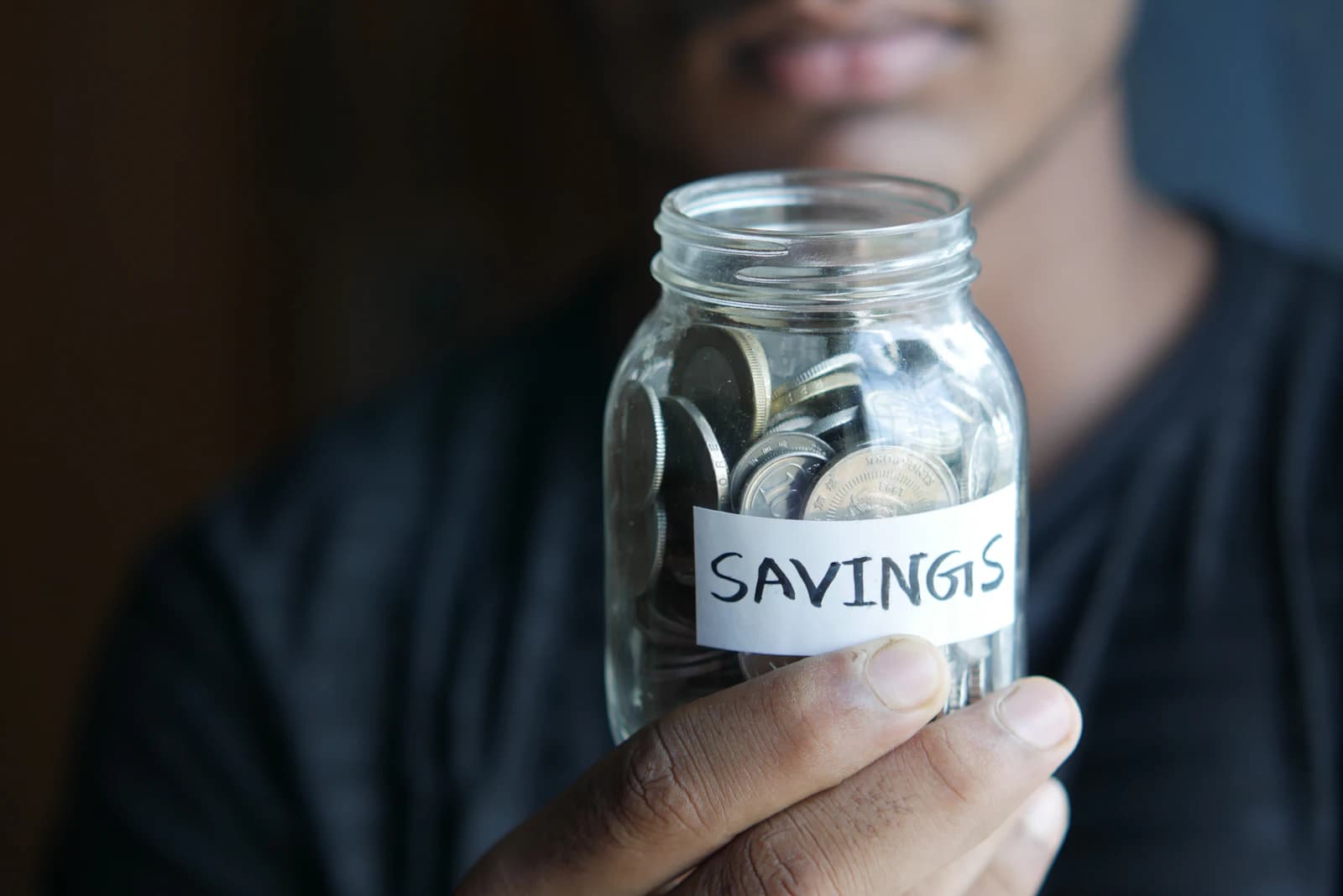
Practical Ways to Increase Your Savings Rate
Concrete, sustainable ways to raise your savings rate — with real numbers showing how much a higher rate can shrink your FIRE timeline.

Stocks vs Savings vs Crypto vs Insurance: Comparing the Building Blocks
Four common places people put money toward a FIRE goal, compared side by side on risk, liquidity, and what role each realistically plays in a plan.
Frequently Asked Questions
A few common questions about the FIRE Calculator.
Is this financial advice?+
No. This tool is for educational and illustrative purposes only and does not constitute financial, tax, or investment advice. Please consult a licensed professional for advice specific to your situation.
Is the 4% withdrawal rate always safe?+
The 4% rule is a widely used historical guideline, not a guarantee. Market returns, inflation, and your time horizon all affect how safe a given withdrawal rate really is, so treat the result as a planning estimate rather than a promise.
Is the FIRE Calculator free to use?+
Yes, it's completely free with no limits on how many scenarios you can run.
How is my FIRE number calculated?+
Your FIRE number is your annual expenses divided by your chosen withdrawal rate (commonly 4%, i.e. multiplied by 25), then grossed up for the effective tax rate you set on withdrawals — a higher tax rate raises the target, since you need to withdraw more to keep the same after-tax spending power. With the tax rate set to 0%, this is simply expenses × 25. The calculator projects your savings growth year by year until that number is reached.
Which currencies are supported?+
You can switch the currency from the selector at the top of the calculator; the input ranges automatically rescale to match the selected currency.